
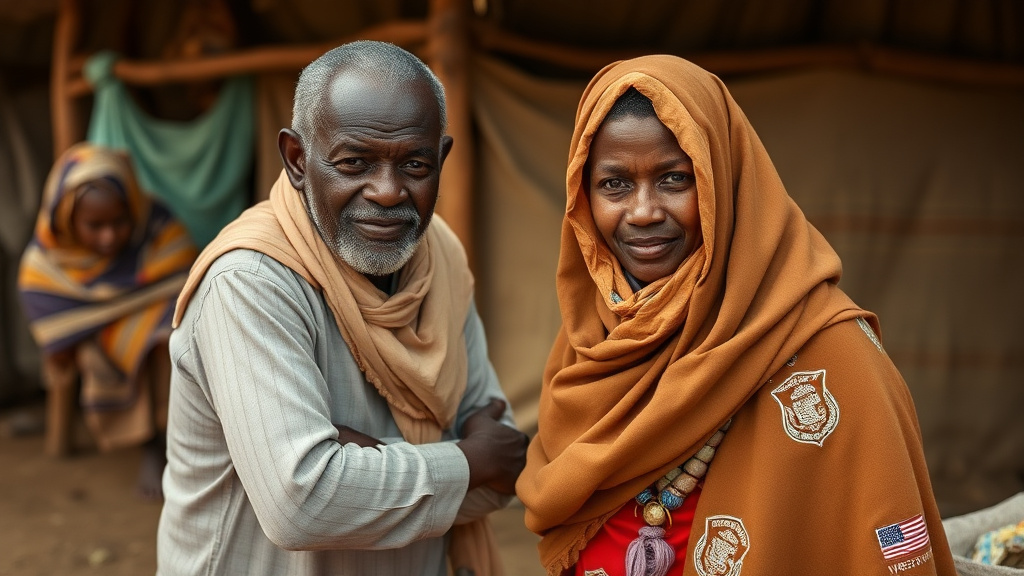
Extreme hardship remains one of the world’s most pressing challenges, impacting billions in low-income countries where essential resources like food, clean water, and education remain out of reach. In response, humanitarian organizations are intensifying their work, implementing innovative strategies and mobilizing unprecedented resources to break the cycle of poverty. This article explores how these committed organizations are working together internationally, leveraging technology and community partnerships to create lasting change and improve lives in the poorest areas globally.
Global Response to Economic Hardship Crisis
The growing poverty crisis in low-income countries has prompted an extraordinary mobilization of relief efforts on a worldwide basis. Global bodies, NGOs, and public sector organizations are working together to address the root causes of poverty, recognizing that lasting change require joint cooperation. These entities are combining funds, expertise, and personnel to implement comprehensive programs targeting learning, health services, and prosperity. The unified approach demonstrates a dedication to improving lives and building resilient communities capable of self-reliance.
Modern humanitarian initiatives leverage cutting-edge technology and data-driven strategies to improve outcomes and resource optimization in poverty alleviation efforts. Organizations are implementing technology-based tools for aid delivery, digital financial services for banking access, and aerial data for strategic support in remote areas. By merging traditional community-based approaches with modern technology, these organizations are reaching historically neglected groups more efficiently. This holistic strategy confirms that support reaches those most vulnerable while encouraging long-term economic empowerment and sustainable development in at-risk areas.
Main Programs and Strategies
Humanitarian organizations are establishing extensive initiatives created to combat poverty’s root causes in lower-income countries. These initiatives prioritize education, health services, and economic advancement, understanding that long-term poverty alleviation demands diverse strategies. Organizations like the UN Development Programme and major global NGOs have created small-scale financial services, vocational training centers, and local health centers. By combining direct aid with ongoing institutional strengthening, these initiatives help communities to achieve independence while developing resilient local economies that can endure upcoming difficulties.
Technology plays a crucial role in these poverty-alleviation efforts, helping institutions to reach remote populations efficiently. Digital payment systems, digital skills training, and analytics-informed resource management have fundamentally changed how humanitarian aid is provided. Partnerships between NGOs, governments, and private sector companies amplify impact through shared expertise and funding. These collaborative initiatives produce multiplier effects that optimize resource utilization, guaranteeing aid reaches those with highest vulnerability while encouraging creative approaches in development solutions across Africa, Asia, and Latin America.
Obstacles and Future Perspective
Despite substantial progress, humanitarian organizations encounter significant obstacles in their efforts to reduce poverty. Limited funding remains a critical constraint, as donor fatigue and competing global crises divert resources away from long-term development programs. Additionally, political instability, corruption, and poor infrastructure in many emerging economies complicate program execution and sustainability. Climate change exacerbates these challenges, generating new humanitarian emergencies that stretch already stretched organizational resources and budgets.
The long-term prospects of poverty alleviation relies on building stronger collaborations between governments, private sectors, and civil society organizations. Improved data gathering and results assessment will enable better-focused programs and efficient resource allocation. Expanding successful approaches across areas requires increased investment in local capacity building and grassroots leader training. Technology adoption, particularly mobile banking and digital platforms, provides viable pathways for reaching underserved populations and providing support more efficiently and cost-effectively.
Going forward, humanitarian organizations must adopt flexible operational approaches to navigate complex, rapidly changing environments. Increased focus on prevention rather than reaction could lower long-term costs and suffering. Mobilizing innovative financing mechanisms, including social impact investments and mission-driven businesses, will complement traditional aid. Ultimately, lasting poverty alleviation demands sustained political commitment, adequate funding, and joint efforts from all stakeholders dedicated to creating fairer, more thriving communities for disadvantaged communities globally.
