
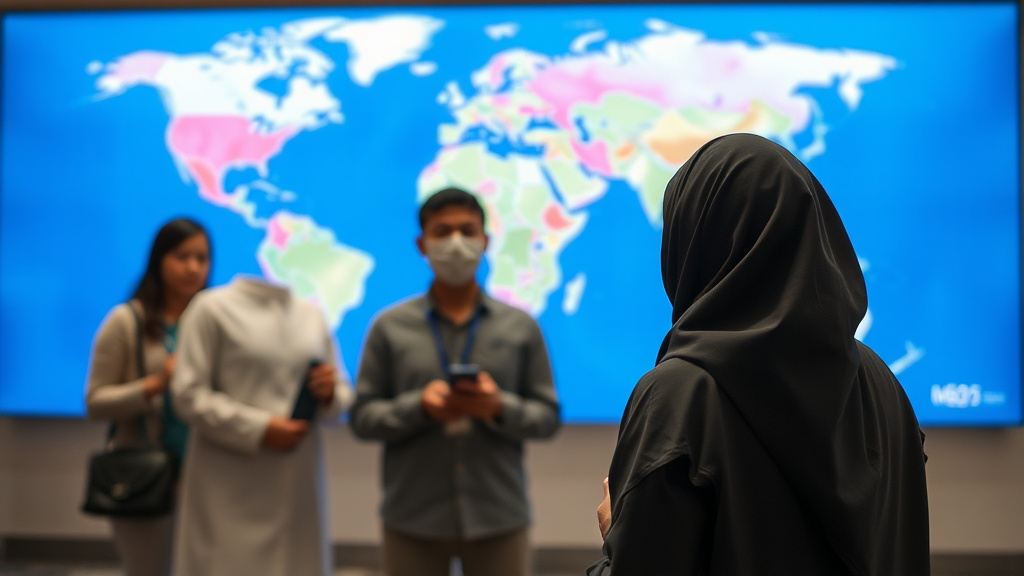
In a groundbreaking move to address the escalating threat of infectious diseases worldwide, the World Health Initiative has unveiled an ambitious global campaign intended to identify, contain, and manage disease outbreaks before they spiral into catastrophic pandemics. This broad-based effort brings together nations, health experts, and scientific organizations to enhance disease tracking infrastructure, optimize vaccination programs, and enhance pandemic preparedness. Discover how this collaborative global effort works to save countless lives and transform our joint response against communicable disease dangers.
Global Reaction to Growing Disease Threats
The increasing frequency and severity of infectious disease outbreaks have triggered an unprecedented coordinated response from the global health sector. The World Health Initiative’s campaign represents a critical turning point in global health security, deploying capabilities and knowledge across continents. By creating interconnected surveillance networks and promoting partnerships between high-income and lower-income countries, this initiative addresses the fundamental gaps that have traditionally allowed diseases to spread unchecked. The broad strategy acknowledges that infectious disease challenges cross national boundaries, requiring coordinated approaches and shared responsibility among all participants in the global health ecosystem.
Central to this response is the commitment to strengthening health systems in vulnerable regions where disease outbreaks often originate and spread most rapidly. The campaign prioritizes training local health workers, enhancing testing and detection abilities, and establishing early warning systems that can detect emerging threats in real time. By investing in prevention strategies and rapid response protocols, the World Health Initiative aims to transform how nations prepare for and manage pandemic emergencies. This proactive stance shifts the paradigm from reactive crisis management to strategic disease prevention, in the end saving lives and lessening the financial impact of disease outbreak consequences on populations worldwide.
Key Strategies and Preventive Approaches
The World Health Initiative’s initiative implements a comprehensive strategy blending advanced technology, international collaboration, and data-driven approaches. By combining current data insights with established epidemiological approaches, the initiative enhances disease tracking networks globally. Investment in medical facilities, professional training, and community health awareness creates the foundation of this preventive approach, guaranteeing communities worldwide develop defenses against emerging infectious threats.
Prompt Recognition Mechanisms
Timely detection serves as the foundation of successful outbreak management. The World Health Initiative has emphasized establishing interconnected surveillance networks that monitor illness trends continuously across member countries. These sophisticated systems leverage artificial intelligence and machine learning algorithms to detect anomalies and potential outbreaks before they escalate. By enabling swift data exchange between public health agencies, early detection systems facilitate rapid response and control strategies that reduce large-scale spread.
Advanced laboratory capabilities and diagnostic technologies form critical elements of the early detection framework. The initiative facilitates the creation of portable testing units and point-of-care diagnostics that deliver testing services to isolated and marginalized regions. Training programs guarantee healthcare workers can effectively utilize these instruments, while quality assurance protocols maintain testing precision. This distributed model allows quicker detection of infections and strains, vital for implementing prompt disease control interventions.
- Continuous disease surveillance networks tracking worldwide disease risks
- AI systems identifying irregular disease spread in advance
- Portable diagnostic laboratories supporting remote communities efficiently
- Quick data exchange protocols linking international health authorities
- Quality assurance programs ensuring diagnostic accuracy and reliability
Global Partnership and Support Materials
The success of the World Health Initiative’s campaign hinges on remarkable cross-border cooperation and pooled funding among member countries. Countries are committing substantial resources, clinical knowledge, and digital systems to create integrated outbreak monitoring systems. By leveraging collective assets, nations can mobilize quick-action groups, share critical epidemiological data, and coordinate vaccination efforts across borders. This cooperative structure ensures that infectious threats are identified and controlled rapidly, regardless of geographic location, creating a unified global defense system against communicable diseases.
Funding pledges from both developed and developing nations demonstrate the campaign’s universal priority in worldwide health safety. The effort harnesses advanced diagnostic technologies, diagnostic facilities, and trained personnel to enhance healthcare systems globally. Cross-border partnerships enable information sharing, helping countries to benefit from proven containment strategies and adopt best practices. Through synchronized resource management and specialized assistance, the World Health Initiative empowers every nation to bolster its disease prevention infrastructure and take an active role in protecting global populations from new infectious disease threats.
Future Direction and Anticipated Effects
The World Health Initiative’s initiative is projected to significantly enhance worldwide disease monitoring systems over the next five years. By deploying cutting-edge detection systems and strengthening laboratory networks across developing nations, health authorities expect to detect new threats within days instead of weeks. This expedited response schedule could avert numerous infections and protect millions of people. The initiative’s investment in developing healthcare personnel and creating regional response centers is designed to create a more resilient worldwide health systems equipped to manage subsequent pandemics with enhanced efficiency and collaboration.
Looking ahead, the campaign’s continued success requires sustained international cooperation and adequate funding commitments from member states. Experts predict that consistent guidelines and joint data networks will facilitate more rapid communication between states, fostering a genuine partnership model to disease control. As vaccination programs expand and detection systems advance, the initiative intends to decrease mortality from communicable diseases by roughly thirty percent within ten years. This revolutionary undertaking constitutes humanity’s greatest coordinated effort to build a collective protection against communicable disease risks.
