
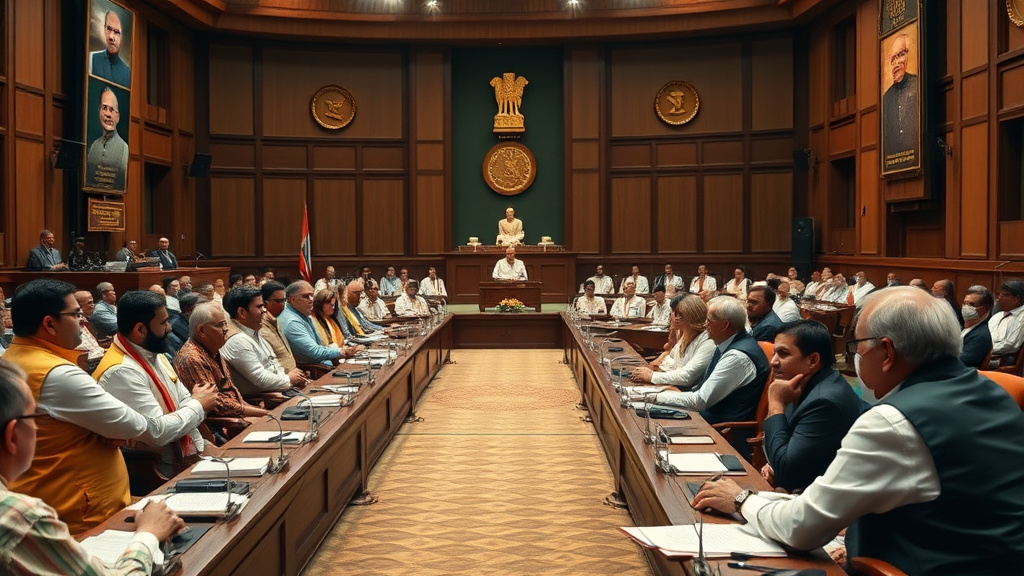
In a uncommon instance of bipartisan cooperation, Congress has ultimately approved a landmark infrastructure bill after months of intense negotiations and political consensus. This groundbreaking law constitutes a major allocation in America’s deteriorating infrastructure and transit networks, marking the most substantial infrastructure spending in years past. The bill’s passage represents a critical juncture in Congress, proving that Democrats and Republicans can find common ground on vital matters affecting millions of Americans. This article explores the key provisions, the political process that made it possible, and what this victory means for the nation’s coming years.
Key Provisions and Investment Areas
Transport Systems
The transportation legislation directs significant resources to upgrade America’s transportation network, tackling long-standing maintenance backlogs. Approximately $110 billion is dedicated to roads and bridges, with additional resources for public transit systems, rail networks, and airport improvements. These investments aim to enhance safety, alleviate traffic congestion, and stimulate economic growth throughout the nation. The resources will focus on projects in underserved regions, guaranteeing equitable distribution of funding. This broad strategy recognizes transportation as essential for national competitiveness and quality of life.
Public transportation gains substantial funding through this legislation, with billions allocated for transit bus fleets, rail infrastructure, and transportation upgrades. Metropolitan regions will gain access to increased subway and light rail service, while outlying regions gain improved connectivity. The bill encourages electric bus implementation, decreasing pollution and operational expenses. These upgrades will enhance public transit accessibility and performance for millions of U.S. residents. Enhanced transportation options encourage sustainable development and lower dependence on personal vehicles.
The rail component emphasizes expanding Amtrak service and upgrading freight rail infrastructure. Investment in passenger rail corridors will improve connectivity between major cities and decrease travel times. Freight rail upgrades enhance commercial efficiency and decrease highway congestion. These efforts support both passenger convenience and economic productivity. The extensive rail strategy places America competitively against international transportation systems.
Broadband and Digital Infrastructure
Digital connectivity stands as a major emphasis, with $65 billion committed to broadband expansion and rural internet access. The bill tackles the digital divide by investing in high-speed internet infrastructure in underserved communities across America. This investment recognizes broadband as critical infrastructure comparable to electricity and water. Rural areas, particularly, will gain from targeted funding to close connectivity gaps. Better digital access facilitates economic opportunity, educational advancement, and improved healthcare delivery nationwide.
The broadband initiative encompasses funding for affordable internet service and digital skills training. Communities will gain access to technical education and assistance programs in addition to network upgrades. The legislation encourages rivalry between internet service providers to maintain affordable pricing. These initiatives ensure that enhanced broadband networks converts to real availability for lower-income communities. Digital inclusion is possible through comprehensive policy approaches.
Water and Environmental Infrastructure
Water infrastructure obtains $55 billion in dedicated funding to upgrade aging pipes and strengthen water quality across America. The bill addresses lead pollution in municipal water supplies, safeguarding public health in vulnerable communities. Wastewater treatment facilities will receive upgrades to meet modern environmental standards. Investment in water infrastructure minimizes health risks, enables business expansion, and protects ecosystems. This commitment reflects expanding understanding of water security as vital infrastructure.
Environmental remediation and resilience projects benefit from significant funding within the bill’s framework. Funding facilitates flood control, drought preparedness, and climate adjustment initiatives. Communities at risk from climate change receive resources for defensive infrastructure and disaster risk reduction. These allocations protect lives, property, and economic assets while promoting environmental sustainability. The bill incorporates climate considerations throughout its infrastructure initiatives.
Negotiations Between Parties and Support from Both Parties
The road to passing the infrastructure bill necessitated remarkable teamwork between Democratic and Republican lawmakers who traditionally oppose each other on spending priorities. Extended periods of negotiations included contentious debates over payment structures, project allocations, and execution schedules. Both parties offered substantial compromises to achieve agreement, showing a collective resolve to tackling the nation’s deteriorating infrastructure despite deep partisan divisions on other legislative matters.
- Republicans secured lower government expenditures and tax measures.
- Democrats obtained significant funding in environmental infrastructure initiatives.
- Both parties agreed on broadband deployment across rural communities.
- Negotiations featured agreement regarding electric vehicle charging stations.
- Bipartisan group maintained unity during heated amendment discussions.
The cross-party alliance that took shape proved vital to the bill’s success, with centrist lawmakers from both chambers laboring intensely to bridge ideological gaps. Key deal-makers from each party publicly acknowledged the challenge of reaching agreement while emphasizing the significance of the infrastructure investment for constituent communities. This partnership strategy ultimately surpassed partisan obstacles that had blocked earlier infrastructure initiatives for years.
Political analysts view this achievement as a watershed moment for Congressional effectiveness, suggesting that forthcoming laws addressing national priorities may benefit from comparable cross-party approaches. The bill’s passage illustrates that despite polarization, lawmakers can recognize shared interests and engage productively toward solutions helping citizens nationwide through better infrastructure development and growth prospects.
Economic Impact and Upcoming Deployment
Forecasted Economic Growth
Economic experts forecast the infrastructure bill will generate significant sustained growth for the American economy. The $1.2 trillion investment is projected to create millions of jobs across construction, engineering, and related sectors over the coming ten years. Improved infrastructure will boost productivity, reduce transportation costs for businesses, and attract private investment to underserved regions. The CBO estimates the bill will contribute approximately 0.1 percent to annual GDP growth, resulting in significant economic benefits for communities across the country and reinforcing America’s market standing globally.
The bill’s financing structures guarantee long-term financial stability without straining the federal budget. Revenue sources include reallocated COVID-19 assistance funds, higher gas taxes, and user-based fees on electric vehicles. This multi-source funding model distributes costs across multiple stakeholders while upholding fiscal responsibility. Economists observe that the initial expenditure will generate tax revenues through expanded business activity, helping to offset initial expenditures. The extended ROI establishes the bill as fiscally sound policy that balances urgent infrastructure requirements with future fiscal sustainability and economic strength.
Implementation Timeline and Strategic Priorities
Federal agencies have created a structured rollout plan spanning five years, with upfront budget commitments for construction-prepared initiatives. Main infrastructure areas include bridge restoration work, public transit modernization, broadband service expansion, and water system enhancements. States and municipalities must deliver detailed project submissions showing adherence with federal standards and environmental standards. The Transportation Department will oversee coordination among agencies, maintaining balanced distribution of resources across city and countryside regions. This organized methodology ensures effective resource allocation while maintaining accountability and openness during implementation.
Project selection criteria emphasize equitable infrastructure, climate adaptation, and economic growth in underserved areas. The bill mandates that a substantial portion of funding benefit under-resourced areas historically overlooked in federal investment. Communities can expect construction timelines ranging from two to seven years based on complexity and scope of the project. Regular progress reports and performance metrics will track job growth, environmental gains, and economic development results. This accountability framework ensures taxpayers see tangible results while maintaining flexibility for modifications in response to changing conditions and new priorities.
Long-Term Benefits and National Competitiveness
America’s infrastructure improvement tackles critical competitive disadvantages in the international marketplace. Contemporary transit systems, reliable broadband access, and effective utility systems are vital to attracting businesses and retaining talent. The bill’s funding allocations position the nation to engage successfully with international competitors while enhancing living standards for residents. Improved networks lowers transit duration, cuts operational expenses, and enables remote work opportunities in formerly isolated communities. These enhancements produce ripple effects throughout economies throughout production systems and local economic centers, establishing foundations for long-term growth and creative development.
Beyond direct economic metrics, the infrastructure bill represents intentional allocation in America’s coming generations of workers and environmental sustainability. Improved public transportation decreases carbon emissions while broadband infrastructure growth enables access to education in remote communities. Water system upgrades protect public health and support farming output. These related positive outcomes demonstrate how infrastructure investment transcends traditional economic analysis, creating positive externalities across multiple sectors. The bill establishes a template for solving complex national challenges through cross-party collaboration, potentially inspiring future collaborative efforts on healthcare, education, and climate policy.
