
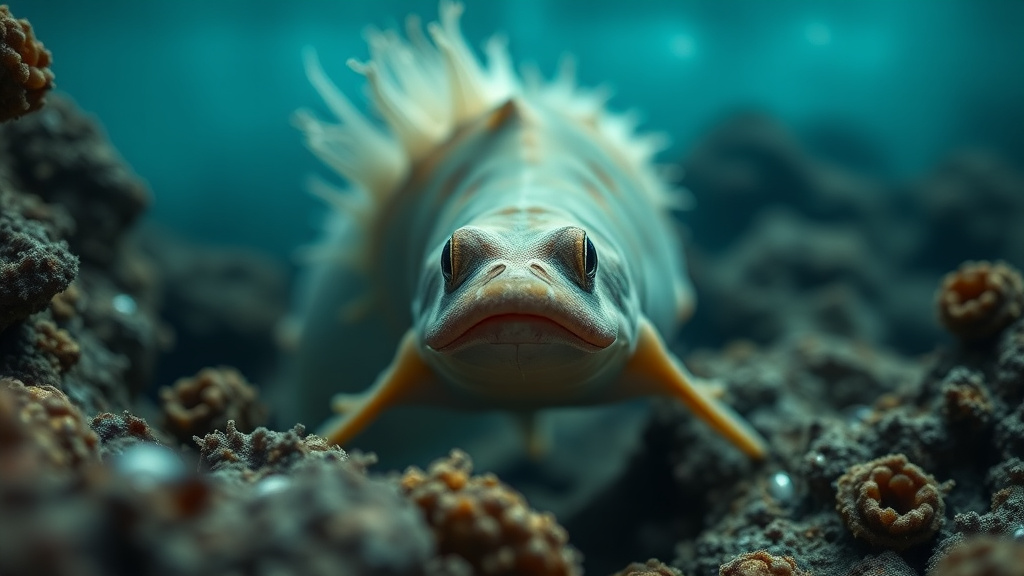
The ocean’s most profound chasms remain among Earth’s last unexplored territories, and scientists have just revealed extraordinary findings lurking in these harsh conditions. A groundbreaking expedition has identified several previously unknown species flourishing miles beneath the surface, where crushing pressures and constant darkness create conditions unlike anywhere else on the planet. These extraordinary findings not only expand our understanding of life’s resilience but also prompt compelling inquiries about how many more unknown organisms inhabit the enigmatic depths of our oceans.
Findings from the Deepest Reaches
The investigation of ocean trenches has produced extraordinary revelations about life in Earth’s most extreme environments. Research teams recently identified multiple previously unknown species inhabiting depths exceeding 6,000 meters, where conditions test our core knowledge of biological survival. These discoveries show that life responds effectively to extreme pressure, intense cold, and total darkness that would be fatal for most creatures from shallow waters. The findings point to vast ecosystems remain unmapped in our planet’s deepest waters.
Scientists employed advanced submersibles and remote monitoring technology to reach these previously unreachable regions. The recently discovered species display distinctive biological adaptations, such as specialized proteins and metabolic functions that permit life under intense pressure. Some organisms possess bioluminescent capabilities, allowing interaction and food location in absolute darkness. These features deliver crucial understanding into evolution under the most extreme conditions imaginable.
The significance of these observations extends beyond basic documentation of new life forms. Studying organisms in the deep ocean provides possibilities in biotechnology, pharmaceutical development, and advanced materials. Enzymes and proteins from these life forms could transform numerous fields. Moreover, these findings underscore how much remains unknown about our own planet, underscoring the critical need for ongoing marine research and protection initiatives.
Advanced Discovery Technologies
Contemporary deep-sea exploration relies on cutting-edge technological innovations that permit scientists to explore formerly unreachable depths with safety and efficiency. Sophisticated underwater vessels outfitted with high-resolution cameras and sampling equipment permit researchers to observe organisms in their natural habitats without disturbance. Remotely operated vehicles (ROVs) expand our reach, conveying live information from deep-sea environments to support boats. These technologies have transformed our ability to study severe habitats and gather samples for analysis.
Genetic sequencing and molecular analysis techniques complement field observations, allowing scientists to recognize and categorize newly discovered species rapidly. High-resolution imaging systems record detailed images of organisms and their conduct, while purpose-built sampling devices preserve specimens in ideal conditions. Self-operating submarine vehicles equipped with sensors map trench topography and ecological parameters. Together, these scientific innovations have transformed deep-sea research from theoretical to systematic, enabling discoveries that reshape our understanding of biological potential.
- Remotely operated vehicles collect detailed visual data from extreme depths
- Self-guided submarine systems survey deep ocean channels and gather ecological information
- Cutting-edge genetic analysis identifies and classifies recently found species
- Custom-built deep-sea preservation units preserve fragile samples throughout the gathering process
- Real-time data transmission enables topside crews to direct research activities
Features of Newly Discovered Organisms
The recently identified species demonstrate remarkable physical adaptations that distinguish them from their shallow marine relatives. These organisms feature distinctive characteristics including bioluminescent organs, extended body forms, and refined sensory apparatus built to navigate the perpetual darkness of the deep ocean. Scientists have identified unusual pigmentation patterns and improved pressure-tolerant cellular structures that permit survival in conditions going beyond 1,000 atmospheres of pressure.
Among the most remarkable discoveries are the species’ distinctive feeding strategies and metabolic pathways. Many specimens demonstrate exceptional efficiency in energy utilization, permitting them to thrive despite the shortage of food sources in the deep-sea ecosystem. Researchers have discovered unique enzymes and proteins that function optimally under conditions that would denature most biological molecules, representing a significant breakthrough in comprehending extremophile organisms.
The genetic structure of these creatures demonstrates evolutionary trajectories distinct from previously identified species. DNA testing indicates these organisms diverged from surface-dwelling relatives millions of years ago, acquiring specialized traits through long-term seclusion. The genetic variation found in different specimens indicates a flourishing environment with complex interrelationships, questioning previous beliefs about the spread of life in harsh marine conditions.
Response to Harsh Environments
Pressure adaptation serves as perhaps the most essential survival mechanism for these abyssal creatures. The organisms have distinctive membrane structures composed of specialized lipid arrangements that sustain pliability and function under intense pressure forces. Additionally, their cellular proteins and structural elements have evolved to resist deformation, while their skeletal frameworks exhibit remarkable resilience, allowing them to withstand environmental stresses that would overwhelm most living creatures.
Bioluminescence plays a critical role in these species, from communication and prey attraction to navigation through absolute darkness. The organisms produce light through photophores equipped with unique chemical compounds that generate sustained luminescence without generating heat damage. This trait allows complex social behaviors and hunting strategies previously undocumented in deep-sea fauna, fundamentally altering scientific understanding of how organisms structure themselves in the ocean’s most isolated regions.
Consequences for Ocean Life Sciences
The finding of these previously unknown species fundamentally challenges our comprehension of biological diversity and ecological processes in extreme environments. These organisms demonstrate extraordinary adjustments to endure pressures surpassing 1,000 atmospheres and in total absence of light. By examining their biological processes, ocean researchers acquire essential knowledge into the limits of life itself and how natural selection creates creatures in the planet’s harshest environments. This information broadens our grasp of what constitutes a viable living ecosystem.
Moreover, these findings underscore the critical importance of ocean floor preservation programs and sustained investment for marine science. With large areas of the ocean floor yet to be mapped and studied, scientists suggest that countless species await discovery in these remote trenches. Understanding these organisms’ biological roles and genetic makeup could lead to significant breakthroughs in medical research, biotechnology, and ecology. As environmental shifts and human impact increasingly threaten marine ecosystems, thorough understanding of deep-sea biodiversity becomes essential for creating successful preservation approaches.
