
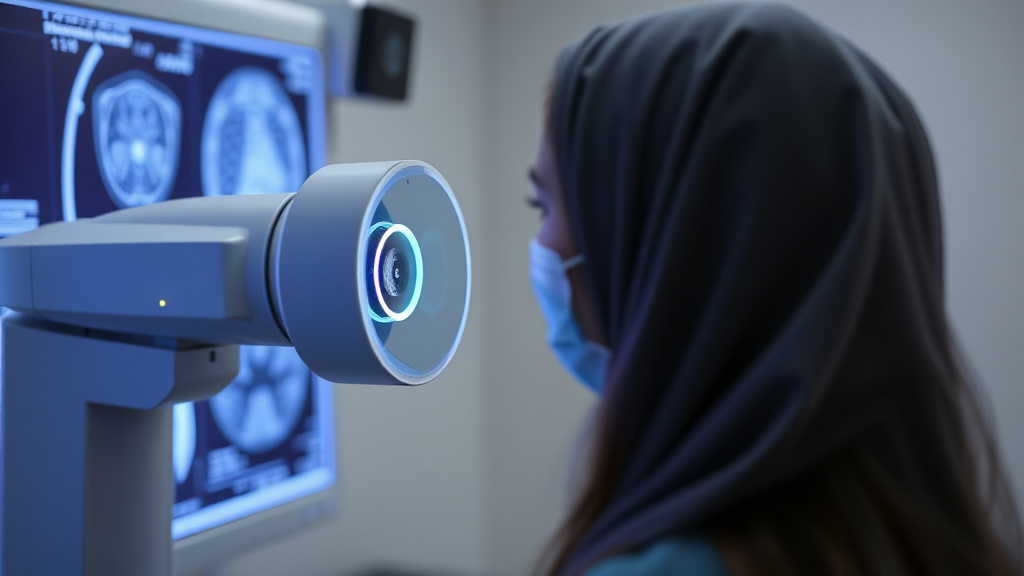
Detecting cancer early extends patient lifespans. Today’s advanced cancer screening techniques are transforming how we detect tumors, catching them at points when treatment is most effective. From blood tests that identify cancer cells in blood to AI-powered imaging that spots microscopic changes, these cutting-edge technologies are improving patient results. This article examines the most recent screening advances, details how they function, and explains why detecting cancer earlier than ever before is reshaping survival rates and providing patients with hope.
Next-generation Diagnostic Imaging Systems in Oncology Screening
Modern diagnostic imaging systems have revolutionized cancer detection by enabling physicians to detect tumors at their earliest point of development. Advanced approaches such as digital mammography, 3D tomosynthesis, and detailed ultrasound technology provide exceptional visualization of internal structures. These developments allow radiologists to identify faint anomalies that conventional techniques might miss, substantially enhancing diagnostic accuracy. The integration of enhanced image quality and complex computational methods has significantly lowered false positives and negatives, resulting in improved detection reliability and better patient care decisions.
The combination of these diagnostic imaging technologies into comprehensive screening protocols has transformed cancer identification across various organ systems. Positron emission tomography (PET) scans, magnetic resonance imaging (MRI), and computed tomography (CT) now operate in conjunction to enable three-dimensional representation of tumors. These imaging tools enable healthcare providers to determine tumor extent, anatomical position, and properties with exceptional accuracy. Early detection through state-of-the-art diagnostic imaging allows for intervention when therapeutic approaches are most effective, ultimately enhancing patient survival and quality of life for cancer patients worldwide.
AI-Enhanced Diagnostic Tools
Artificial intelligence has developed into a transformative force in cancer screening, boosting the precision and speed of medical image interpretation. Machine learning algorithms developed using millions of clinical scans can now identify suspicious patterns and potential malignancies with sensitivity matching or exceeding that of seasoned imaging specialists. AI systems process imaging data rapidly, identifying sections demanding closer examination and organizing studies for immediate physician review. This innovation reduces diagnostic delays, lowers error rates, and allows clinical teams to concentrate their skills on intricate scenarios needing professional evaluation and customized care strategies.
The adoption of AI-powered detection tools throughout healthcare institutions has produced remarkable improvements in detection of cancers. These smart algorithms progressively improve from additional cases, becoming increasingly precise and suited for diverse patient populations and scanning procedures. AI algorithms can detect cancers in early stages that may escape notice during regular screening, particularly in difficult cases involving dense breast tissue or atypical presentations. By enhancing radiologist expertise rather than replacing them, artificial intelligence creates a collaborative framework that maximizes accuracy of diagnosis while upholding the critical human component of medical practice.
- AI systems detect breast cancer with 94% precision rates
- Machine learning identifies lung nodules in CT scans with high accuracy
- Algorithms decrease radiologist workload by 30% daily
- Neural networks enhance colorectal polyp detection considerably
- AI predicts prostate cancer progression with precision
Liquid Biopsy and Molecular Screening Developments
Liquid biopsy represents a paradigm shift in cancer detection, offering a minimally invasive approach to detect malignant cells through routine blood samples. This cutting-edge method assesses tumor DNA in circulation, proteins, and exosomes in the bloodstream, permitting physicians to detect cancers before symptoms manifest. The technology demonstrates exceptional precision, detecting cancer markers at concentrations as low as one tumor cell among millions of healthy cells, transforming detection of early-stage disease.
Molecular testing improvements have significantly boosted accuracy in diagnosis and clinical results across various malignancies. These complex procedures identify specific genetic mutations and indicators of various malignancies, allowing cancer specialists to adapt treatment plans to individual patient profiles. By using several testing approaches, clinicians can now identify tumors significantly sooner standard diagnostic procedures, offering essential opportunities for treatment when outcomes are most promising.
Circulating Biomarker Identification Methods
Circulating biomarker detection employs cutting-edge laboratory technology to identify tumor-related molecules circulating in the bloodstream. These biomarkers encompass tumor DNA in circulation, proteins like PSA and CEA, and cell-free vesicles containing tumor information. The precision of these detection methods enables clinicians to monitor disease progression, evaluate therapeutic outcomes, and detect recurrence potential with remarkable precision, transforming cancer management strategies.
Contemporary biomarker panels evaluate at the same time various malignancy signals, markedly boosting detection sensitivity and specificity. This detailed strategy reduces false positives while increasing correct positive detection across diverse patient populations. Integration of artificial intelligence algorithms continues to improve biomarker interpretation, facilitating individualized risk categorization and care guidance according to personal molecular characteristics and hereditary factors.
- Circulating tumor DNA fragments reveal hereditary changes in bloodstream samples
- Protein biomarkers detect tumor-specific antigens and cancer-related molecules
- Circulating vesicles transport tumor information for comprehensive analysis
- Multi-marker testing concurrently evaluates for multiple cancer types and markers
- AI algorithms improve biomarker analysis and clinical decision-making accuracy
Clinical Impact and Future Perspectives
Enhancing Patient Outcomes
The clinical importance of advanced cancer screening methods is already evident in patient survival rates and quality of life improvements. Early detection through these cutting-edge methods enables physicians to use less invasive treatment protocols, minimizing side effects and improving long-term outcomes. Healthcare systems worldwide are experiencing decreased cancer mortality rates as screening programs grow, particularly in developed nations. The economic benefits are substantial, as treating early-stage cancers costs considerably less than managing advanced disease. Moreover, patients detected by advanced screening show higher treatment compliance and psychological well-being, knowing their cancers were caught at optimal intervention points.
Emerging Technologies and Market Expansion
The upcoming direction of cancer screening promises even more significant breakthroughs as artificial intelligence and machine learning keep progressing. Researchers are creating personalized screening protocols based on personal genetic data and risk characteristics, optimizing detection rates while reducing unneeded tests. Integration of multiple screening modalities—merging liquid biopsies, imaging, and biomarker analysis—will create comprehensive diagnostic approaches. Accessibility remains crucial; expanding these technologies to underserved communities worldwide will democratize early detection. Funding for research facilities and medical education will accelerate innovation, making possible immediate cancer identification prior to symptom development, essentially changing cancer from a fatal condition into a manageable condition.
